Diving at Hive Beach, Burton Bradstock
Contributed by Richard Edmonds - Jurassic Coast Project Officer, Environmental Services Division, Dorset County Council. July 2000.(updated July 2001)
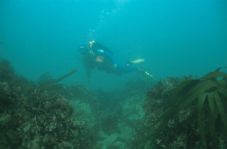
Hive beach is a popular shore dive and local training site for SCUBA divers; indeed many a diver has had his or her first experience of the underwater world just off the beach here. The underwater landscape, like the cliffs above, is controlled by the geology. The cliffs to the west are composed of sandstone, the Bridport Sand while the cliffs to the east consist of clay, the Fullers Earth which is younger than the sand. A fault runs through the car park and out to sea, and to the east of it the rocks have dropped by at least 100 metres. What has this got to do with diving? Well, in front of the beach car park, the sea floor is composed of a reef of boulders in about 6 to 8 metres, with sand off shore and to the east. In front of the cliffs the sea floor is formed from a series of sandstone platforms in about 6 to 4 metres of water. Dividing the two is the fault, which runs due west from the beach at the point where the cliffs first start, and consists of rocks tilted into a nearly vertical orientation.
A good dive is to enter the water just in front of where the cliffs start, pick up the fault and follow it off-shore to the west. Approximately 200 metres off-shore the fault becomes indistinct and the area consists of open boulders, reefs and patches of sand. Turn east, parallel to the shore and you should soon find the outer edge of the reef. Follow this as it gradually nears the shore and once the reef runs out, and preferably before, turn north back to the beach. Obviously it helps to have the tide running to the east, and this is generally the case from 2 hours before high water (Portland), until 4 hours after high water. From low water until 2 hours after low water the tide runs strongly to the west. Luckily, the best visibility is around high tide and this is the time when the tide is going east. Visibility can be up to 8 or 10 metres at high tide, and just 1 or 2 metres at low tide. Visibility is also affected by the weather, and it is not advisable to dive if the waves are more than 1 to 2 feet high as the beach is steeply shelving, and it can be very difficult to get out. In addition, check your regulators after a dive, the pea sized gravel fits neatly into most makes!
Marine life
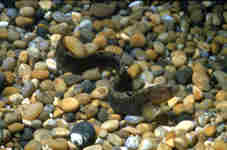
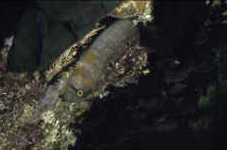
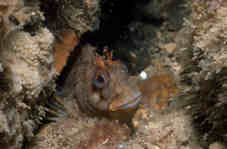
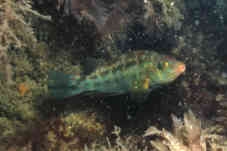
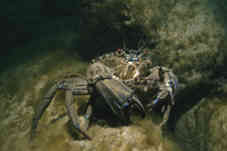
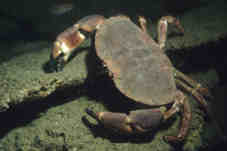
The marine life at Burton can be good, and is occasionally spectacular. Typical animals are Pout, Greater Pipefish, the Tompot Blenny, Butterfish, Ballan Wrasse, Corkwing Wrasse, Velvet Swimming Crabs, Edible Crabs, Hermit Crabs, Spider Crabs and Cuttlefish.
|
Pout
|
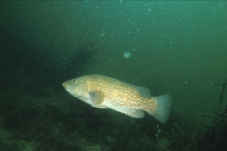
Pollock
|
|
|||
|
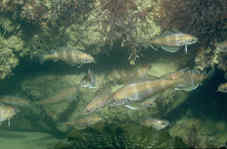
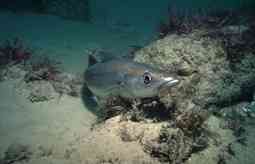
Young pollock and Pout are a common sight as these shallow waters are a nursery ground for such fish. Larger adults such as this Pollock use the cover provided by boulders and seaweed to ambush smaller fish, especially sand eels. |
|||||
|
|
|
|
|||
|
Greater Pipefish
|
These strange fish reach 40cm in length and are related to sea horses, and like them, it is the male that broods the young in a pouch under his belly. | ||||
|
Butterfish
|
|
|
|||
|
Tompot Blenny
|
|
||||
|
Ballan Wrasse
|
Corkwing Wrasse
|
||||
|
Velvet Swimming Crab
|
Edible Crab
|
||||
|
Spider Crabs
|
|||||
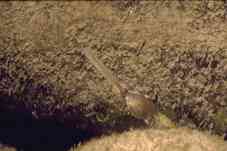
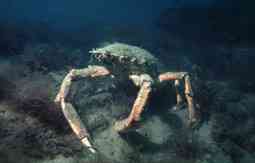
Spider crabs such as this large male, wander across the sea floor and can gather in huge numbers during July.
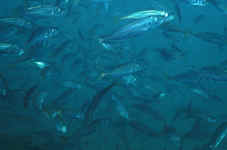
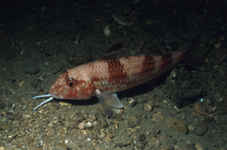
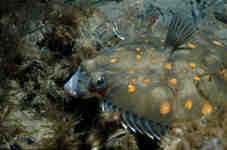
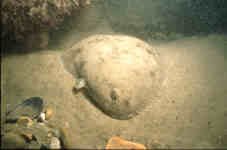
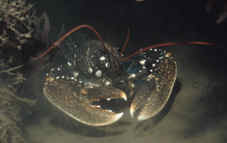
Occasionally shoals of Sprats come through, especially in the late summer, while large Thick Lipped Grey Mullet may be glimpsed near the beach. Young Red Mullet may also be seen marauding across the sea floor in small groups. Plaice and Sole are not uncommon, and there is just the chance of an encounter with a lobster, although they are becoming increasingly rare. One of the most spectacular UK underwater events takes place off Burton Bradstock: the mass gathering of thousands of Spider Crabs, usually in about mid July. The crabs gather to moult their shells, but it is also thought that this is the time when mating takes place. Indeed, some people have speculated that the females moult first and are surrounded by the amorous males, which then pounce on them. The idea of a huge party is evident: thousands of lethargic crabs can be seen massed together with debris littered around them; discarded shells, legs and claws. Indeed, the shed shells add to the impression of numbers as, obviously, they double the number of shells on the sea floor.
|
Sprat
|
Red Mullet
|
Plaice
|
|||
|
Sole
|
Lobster
|
|
At this time the crabs are vulnerable and predators, particularly large silver eels, gather to pick them off. It is not uncommon to see an eel spinning around, twisting a leg off a protesting crab. However, the crabs can do nothing, their shells are like a sponge and their pincers are totally ineffective.
Eventually the crabs retreat offshore and the sandy sea floor outside the reef resembles a tank battlefield with the hulks of crab shells littering the sand where they have been picked off by predators. On a clear day this sight could be seen snorkelling. If only the swimmers knew what was under their feet!
|
Cuttlefish
|
|
|
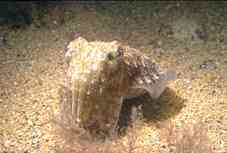
A close encounter with a cuttlefish is a great experience although many divers do not give enough time to these fantastic animals. Always cautious at first, the cuttlefish will scrutinise the diver with a wary eye. However, if you wait long enough, usually about 5 minutes, the cuttlefish will revert to what it was doing before you interrupted its' hunting. It is then possible to watch these animals catching small fish and crabs.
Text and photographs - © Copyright Richard Edmonds
Spider Crabs and other under sea life
The Flying Fortress off Burton Beach